
Flexible Culture
A flexible work environment is not just a fancy way of saying “work in your pajamas” (though let’s be honest, that’s a big perk). It’s

A flexible work environment is not just a fancy way of saying “work in your pajamas” (though let’s be honest, that’s a big perk). It’s
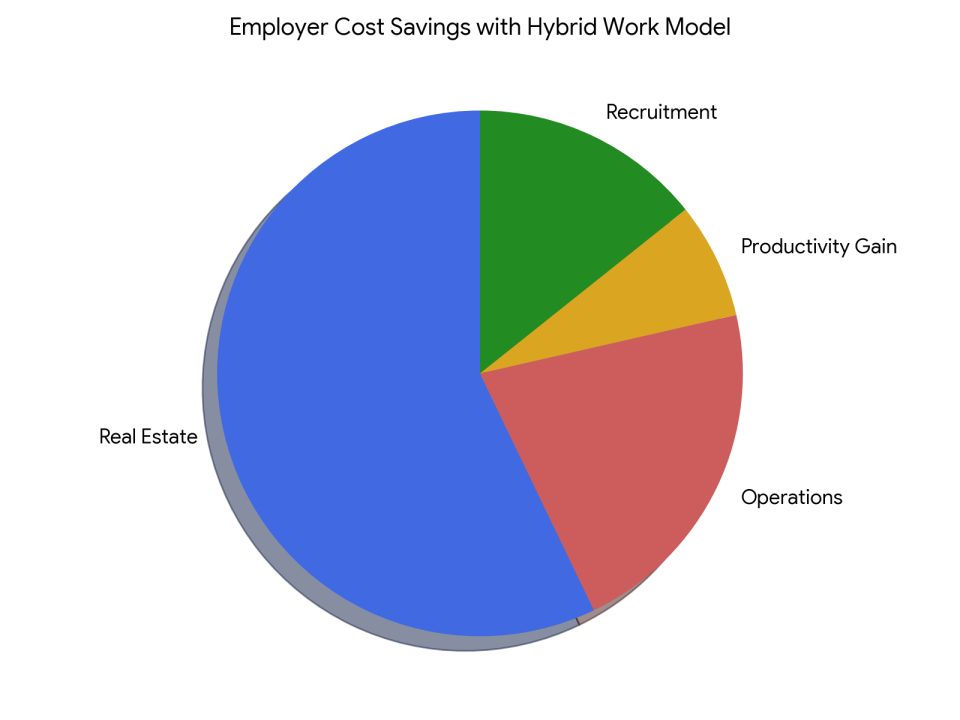
Let’s cut to the bottom line. Flexibility in work arrangements serves not only as a strategy to enhance employee satisfaction but also as a pivotal
Imagine that you are given the ability to remove a strategic tool from your biggest competitor, such as their ability to use email. The loss

The talent market is undergoing a seismic shift, fundamentally altering how companies consider attracting, hiring, and retaining skilled employees. This transformation is propelled by a

Employees, listen up. When most knowledge work employers and employees originally struck their deal, the terms were clear: show up at the office for a

Humans have gone full circle in workplace strategy. In the Great Debate happening in offices across the globe, executives are asking themselves whether they should