
Flexible Culture
A flexible work environment is not just a fancy way of saying “work in your pajamas” (though let’s be honest, that’s a big perk). It’s

A flexible work environment is not just a fancy way of saying “work in your pajamas” (though let’s be honest, that’s a big perk). It’s
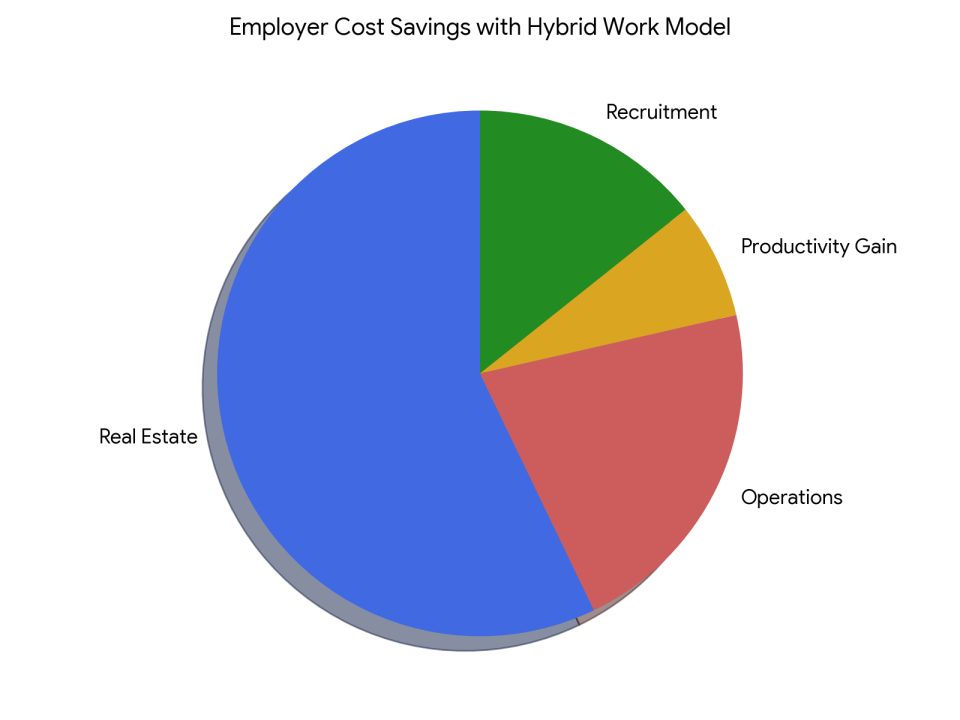
Let’s cut to the bottom line. Flexibility in work arrangements serves not only as a strategy to enhance employee satisfaction but also as a pivotal
Imagine that you are given the ability to remove a strategic tool from your biggest competitor, such as their ability to use email. The loss

The talent market is undergoing a seismic shift, fundamentally altering how companies consider attracting, hiring, and retaining skilled employees. This transformation is propelled by a
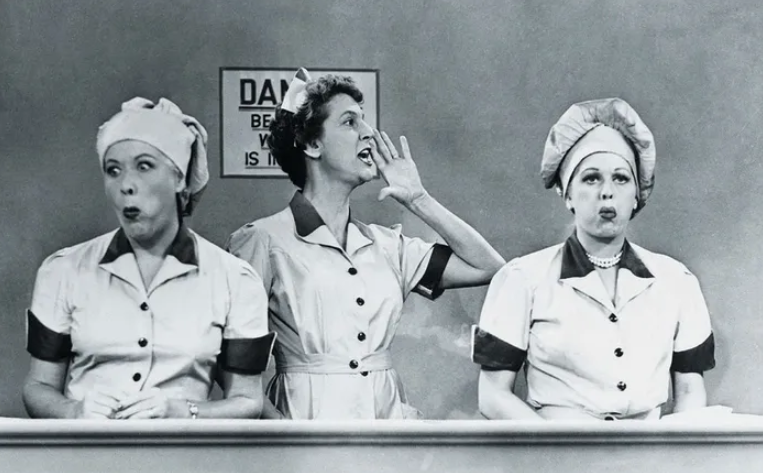
The controversy surrounding work from home has effectively been about defining work as either a verb, meaning tasks to be done, or a place that
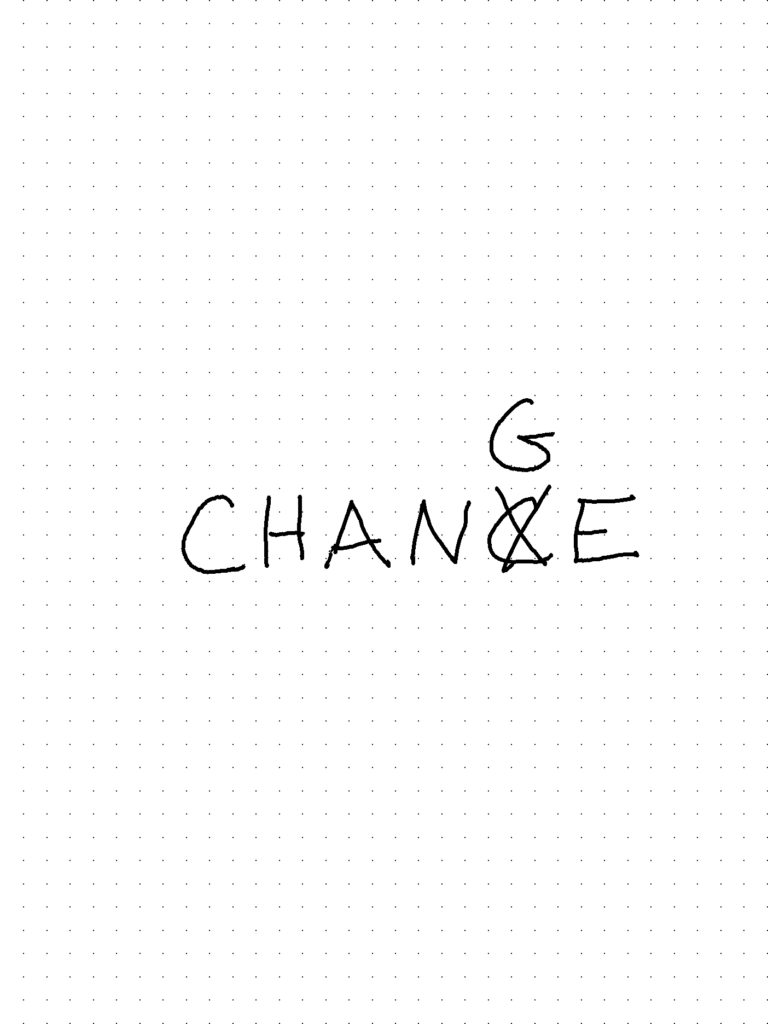
Anyone who has tried to quit a bad habit knows that it is easier said than done. By rote repetition, that action has become ingrained